Display At Wings Over Wairarapa's Hood Aerodrome

-
Preserving and Recording Audio-Visual History
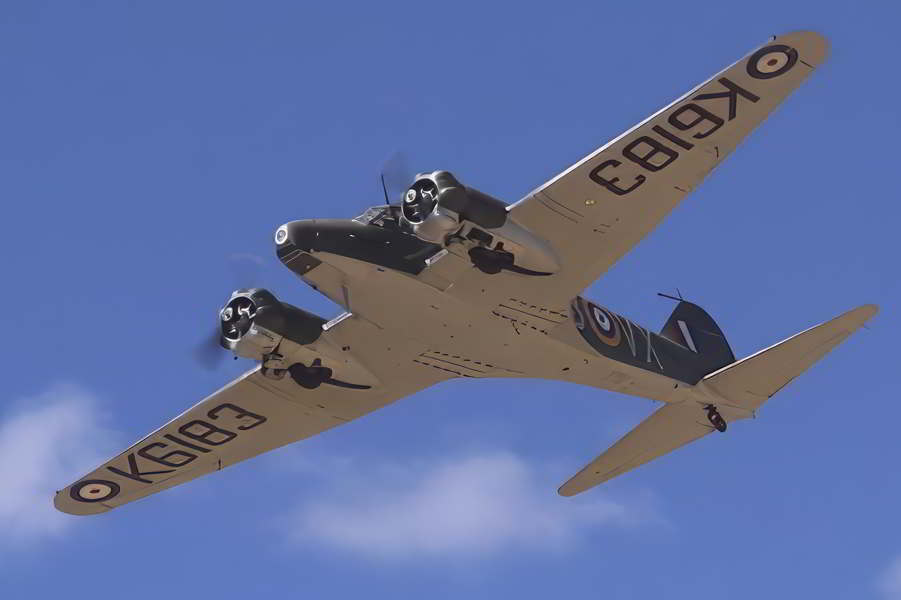
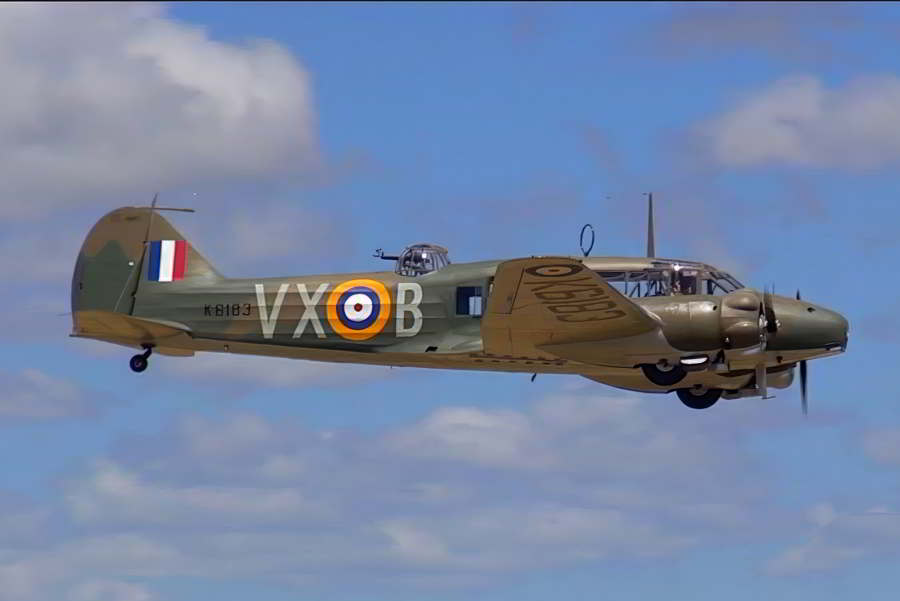
The Avro Anson is a British twin-engine, multi-role aircraft that played a significant role in the early years of World War II and beyond. Developed in the late 1930s by Avro, a leading British aircraft manufacturer, the Anson was originally designed for maritime reconnaissance but quickly adapted to a variety of roles, including as a light bomber, trainer, and transport aircraft.
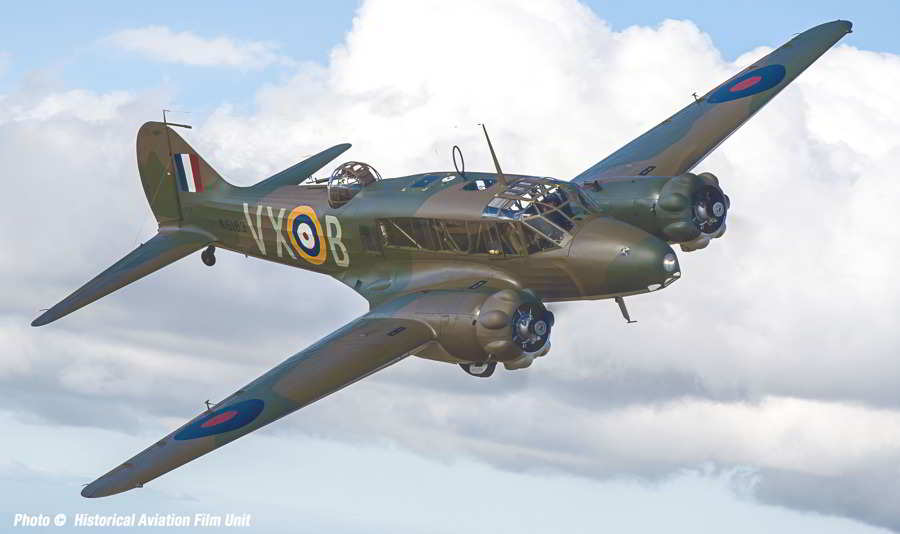
The Anson was a state of the bomber aircraft in 1935.
Photo: © Historical Aviation Film Unit
Year: 1935 Built: 11,020 Serial: MH120 Registration: ZK-RRA Top Speed: 296 km/h at 1,525m Wingspan: 17.527m Height: 4.1m Length: 12.88m Engine: 2 x 410hp Cheetah IX supercharged 7-cylinder radials Ceiling: 6,400m Range: 1,078km Armament: 7 x 7.7mm (0.303in) machine guns and up to 160kg of bombs in an internal bay
Initially known as the Avro 652A, the Anson was developed during the mid-1930s from the earlier Avro 652 airliner in response to a request for tenders issued by the British Air Ministry for a maritime reconnaissance aircraft. Having impressed the Ministry, a single prototype was ordered, which conducted its maiden flight on 24 March 1935. Following an evaluation in which the Type 652A proved better than the competing de Havilland DH.89, it was selected as the winner, leading to an initial order for 174 aircraft in July 1935. The Type 652A was then promptly named after Admiral George Anson (d.1762).
When the type first entered service in 1936 it was a state of the art military aircraft, however by the time the Second World War broke out in Sept 1939 it was considered almost obsolete. Despite this, it was a highly capable aircraft and the Anson went on to see service in large numbers in a variety of roles for the Royal Air Force (RAF), Fleet Air Arm (FAA), Royal Canadian Air Force (RCAF) and numerous other air forces before, during, and after the war.
The type continued to be used in the training role throughout and after the Second World War, remaining in Royal Air Force service as a trainer and communications aircraft until 28 June 1968.
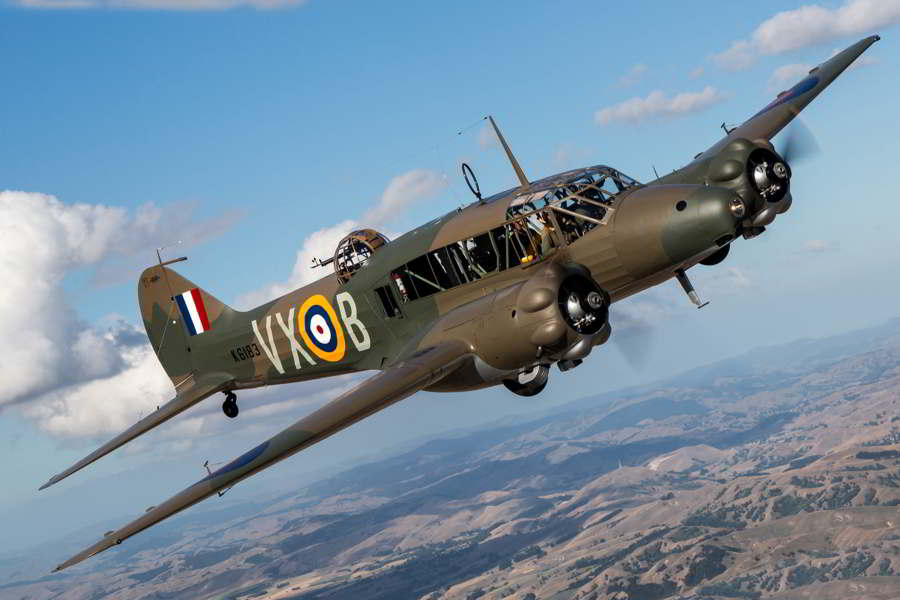
The magnificent Avro Anson Mk.1 is seen here in its element, looking just like the aircraft would have done in the early part of World War Two. The English-like countryside seen below is actually the Wairarapa district in New Zealand.
Towards the end of WW2 a plan was devised to replace the wooden wings and the tailplanes of existing Ansons (due to glue failure in their joints) with metal replacements. MH120 underwent that legitimate conversion operation in 1961, ensuring the aircraft has had a long flying career. The aircraft was restored by Bill & Robyn Reid (Nelson, NZ) over a ten year period from 2002.
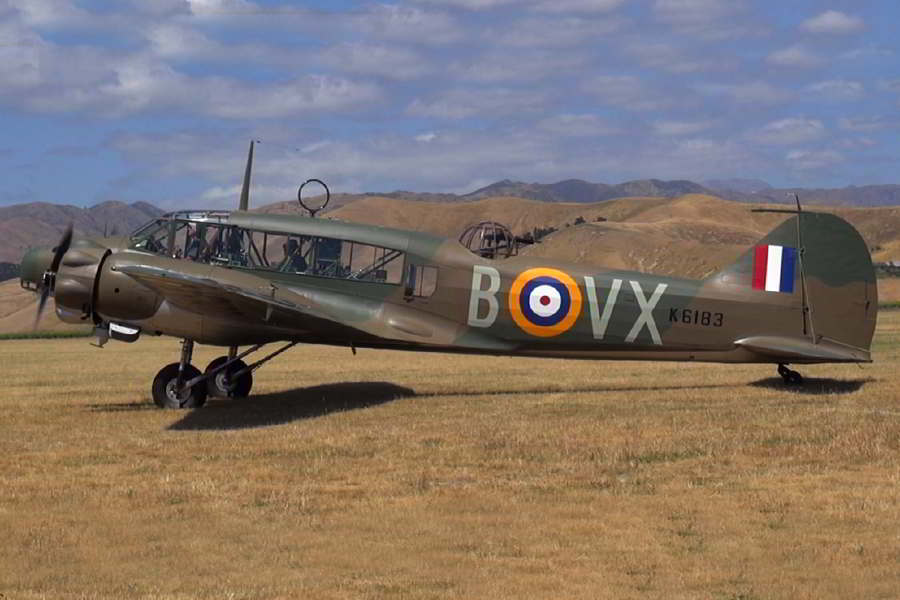
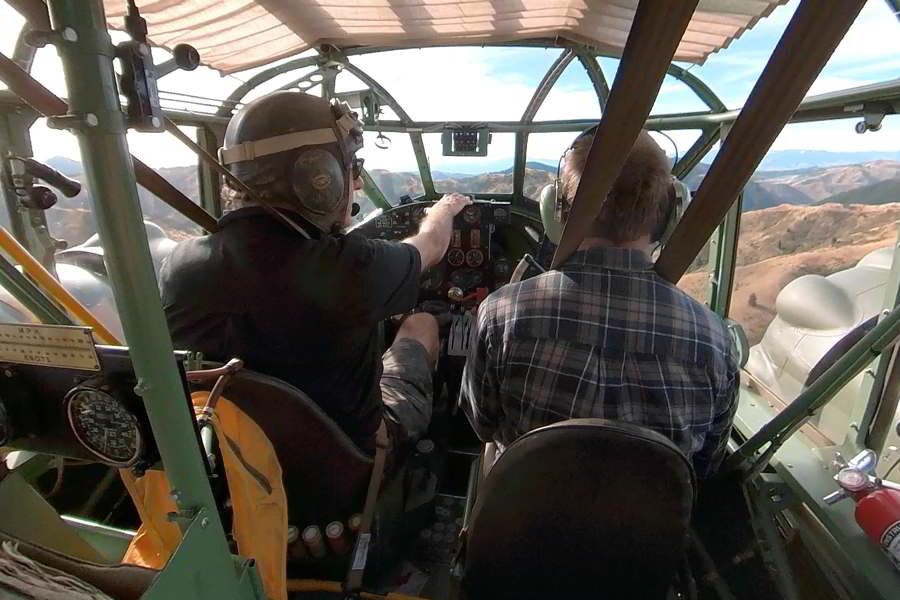
The Anson has a huge amount of glass panelling provide an outstanding view from the aircraft. The type was found to be very suitable as a multi-engined aircrew trainer, and became the mainstay of the British Commonwealth Air Training Plan. Photo: © Historical Aviation Film Unit
Perhaps one of the most famous stories involving the Avro Anson occurred in June 1940, featuring Flying Officer John Crossley. Crossley, flying a lone Anson over Dunkirk during the evacuation, encountered a formation of nine German bombers. Despite being in an aircraft not designed for combat and being outnumbered, he engaged the enemy. In a remarkable display of skill and daring, Crossley managed to shoot down two of the bombers and damage a third. His actions not only showcased the Anson's unexpected combat capabilities but also the bravery and skill of its pilots. This incident earned the Anson and Crossley considerable admiration and highlighted the aircraft's contribution to the war effort beyond its primary roles.
In another notable event, an Avro Anson played a pivotal role in the first capture of a German U-boat by the British during World War II. In February 1940, an Anson from No. 233 Squadron, piloted by Squadron Leader J.H. Thompson, was on patrol over the North Sea. The crew spotted and attacked a German U-boat, U-33, forcing it to surface. The Anson's crew then maintained surveillance over the U-boat until the arrival of the destroyer HMS Gleaner, which subsequently captured the submarine. This event was significant as it provided the Allies with valuable intelligence early in the war. The Anson's role in this capture demonstrated its effectiveness in maritime reconnaissance and anti-submarine warfare.
More Videos:
Display At Wings Over Wairarapa's Hood Aerodrome
The Anson's Public Debut In Auckland in 2012
Anson Flybys At Omaka Aerodrome
Anson Take-Off At Hood Aerodrome
More Photos:
Share This Page :
If you sign up to be a Member on our Historical Aviation Film Unit channel then you'll have immediate access to this extra material. Click the button at right, then on our channel page click the 'Join' button - it'll help us immensely.
Please consider subscribing to HMTV, or buy us a drink to support our historical (story and film) preservation endeavours.
Copyright © All Rights Reserved — Historical Aviation Film Unit
Template by OS Templates