
RNZAF Drops In On South Is During Tactical Flying Exercise

Miscellaneous Aviation Articles »
Just a few minutes off State Highway 1 in the South Island, lies one of New Zealand’s aviation treasures: the Ashburton Aviation Museum. With rare jets, volunteer passion, and the unusual ethos that you're allowed to touch the displays and explore the aircraft, this museum truly delivers for aviation enthusiasts, and it should be on everyone's bucket list.
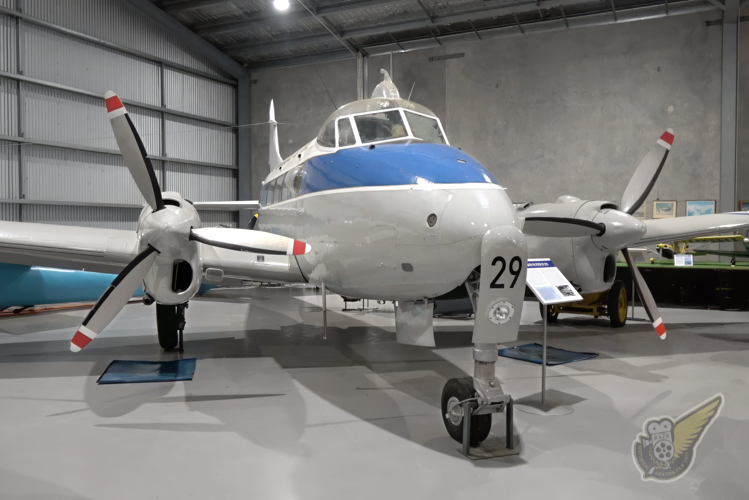
Along with the North American Harvard, this ex-RNZAF de Havilland Devon was one of the first warbirds in the museum's collection.
Photo: © Historical Aviation Film Unit
Click To View: Discover one of New Zealand’s best kept aviation secrets! Join us as we tour the Ashburton Aviation Museum, see rare aircraft up close, hear the stories behind the collection, and find out what’s next.
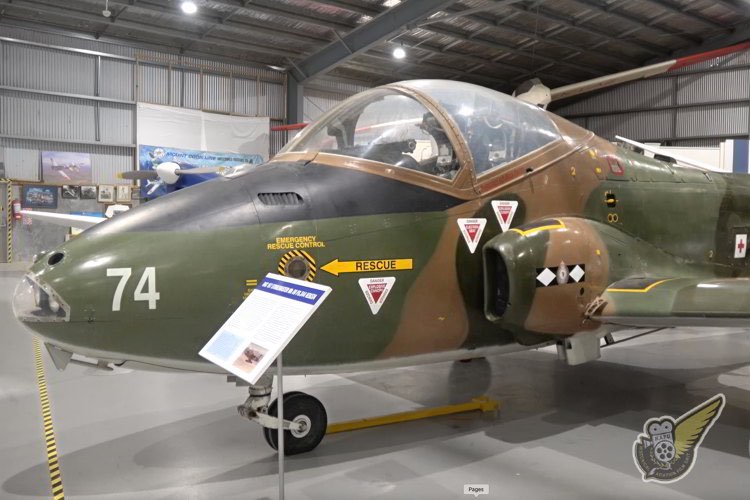
One of several ex-RNZAF aircraft in the collection, this BAC Strikemaster is stunningly preserved, and is easy to access and view. Copyright © Historical Aviation Film Unit
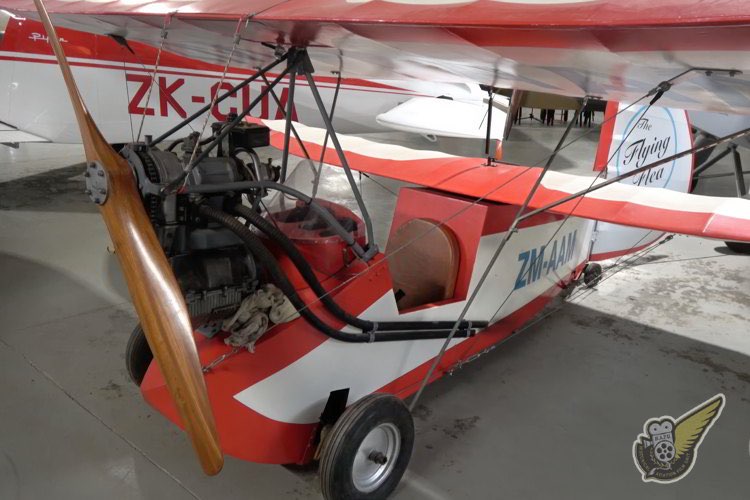
Every good aviation museum needs a Flying Flea. In the early 1930s, Henri Mignet dreamed of creating a Model T Ford of the air, an airplane for the common man. In English, the original French name (Pou de la Route, or "Louse of the Road") became 'Flying Flea'. Originally applied only to the HM.14 model, the name has now come to describe the family of aircraft of similar configuration designed by Mignet and others. Copyright © Historical Aviation Film Unit
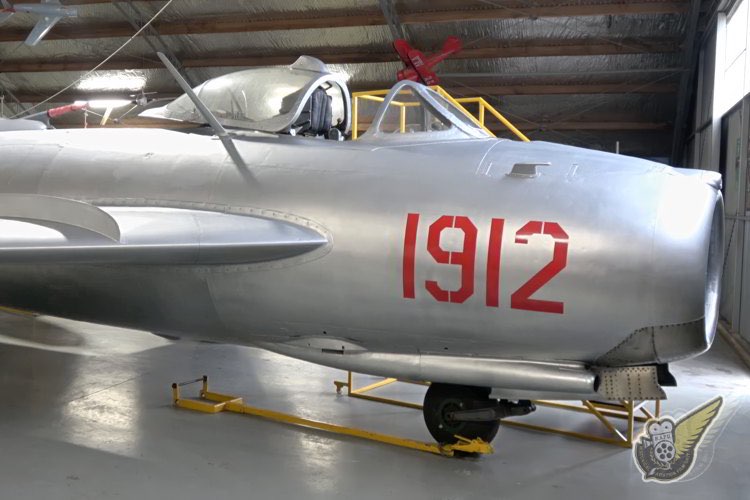
Lots of cockpit ladders are dotted around the museum, providing access for visitors to take a good look inside the aircraft-in this case a Soviet MiG-15 fighter jet. Copyright © Historical Aviation Film Unit
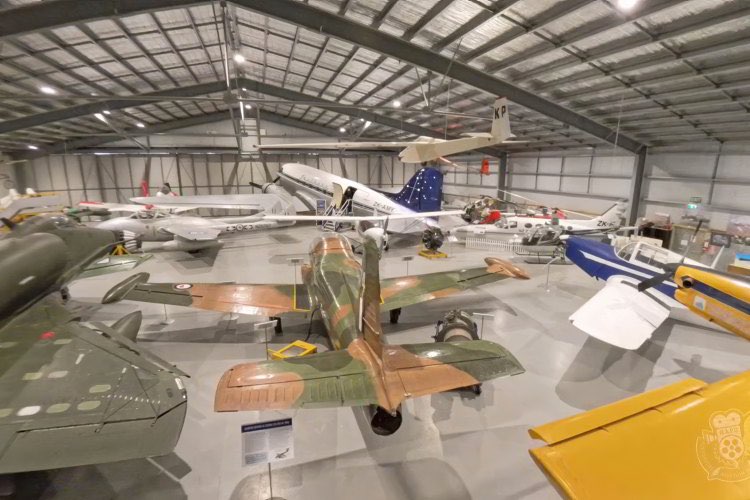
A new hangar the same size as this existing 'main hangar' is currently being built in order to substantially increase the display space available for the museum's collection. Copyright © Historical Aviation Film Unit
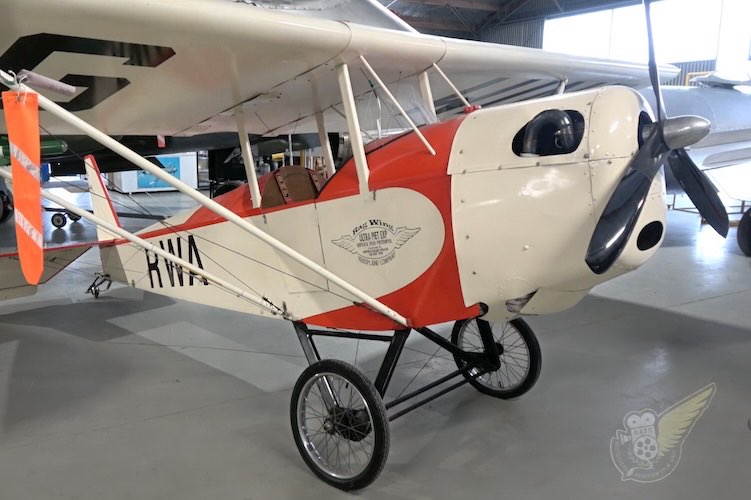
The museum also features many home-built microlight aircraft, including this replica 1930s Pietenpol. Copyright © Historical Aviation Film Unit
A visit you’ll remember
For lovers of aviation, military history, or vintage technology, the Ashburton Aviation Museum offers something different: intimacy, authenticity, stories, volunteer spirit, and real connection to the machines. Whether you’re a Kiwi wanting to reconnect with domestic aviation history, an ex-serviceman, or a family looking for something inspiring, this museum deserves more recognition and you should make a point of calling in and visiting during your next South Island trip. www.aviationmuseum.co.nzShare This Story :
Other Stories and Videos:
RNZAF Drops In On South Is During Tactical Flying Exercise

NZDF News: Female Students Embacing Navy Experience

The Bright Red Triplane Of The Red Baron Is An Iconic WW1 Aircraft

Obit: Brett Emeny In His Last Awesome Warbird Display
If you sign up to be a Member on our Historical Aviation Film Unit channel then you'll have immediate access to this extra material. Click the button at right, then on our channel page click the 'Join' button - it'll help us immensely.
Please consider subscribing to HMTV, or buy us a drink to support our historical (story and film) preservation endeavours.
Copyright © All Rights Reserved — Historical Aviation Film Unit
Template by OS Templates