
Listen To The Sound Of Twin Merlins As A WW2 Mosquito Roars By...

In this video, we bring you a unique experience of two legendary Spitfire fighters flying in close formation at low level — just the sound of Rolls-Royce engines, wingtip whistles, and prop wash. One is a Griffon-powered Mk.XIV (NH799) once flown by Sir Tim Wallis; the other is a Tr.9 (MH367) painted in the desert scheme of No. 81 Squadron, flown by ace pilot Colin Gray.
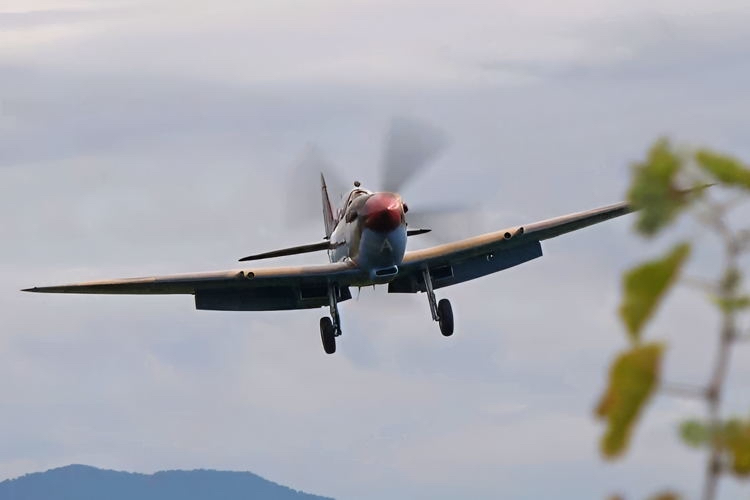
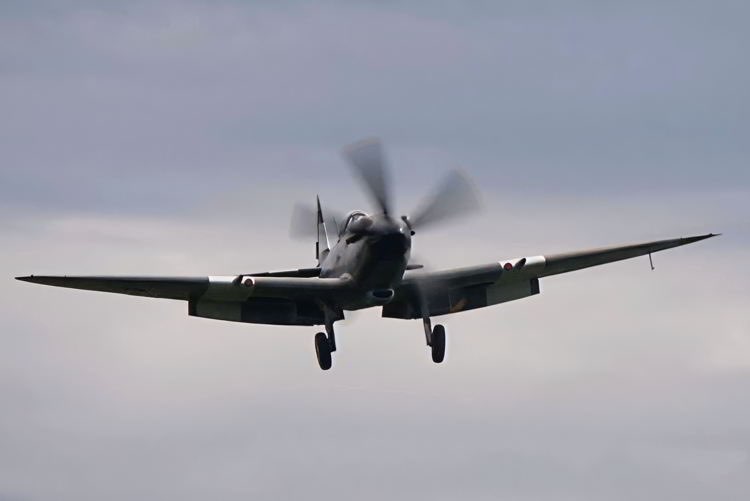
Spitfire MH367 comes in for a landing. Make sure you watch to the end of the video to see these two awesome machines approaching just overhead... Photo: © Historical Aviation Film Unit
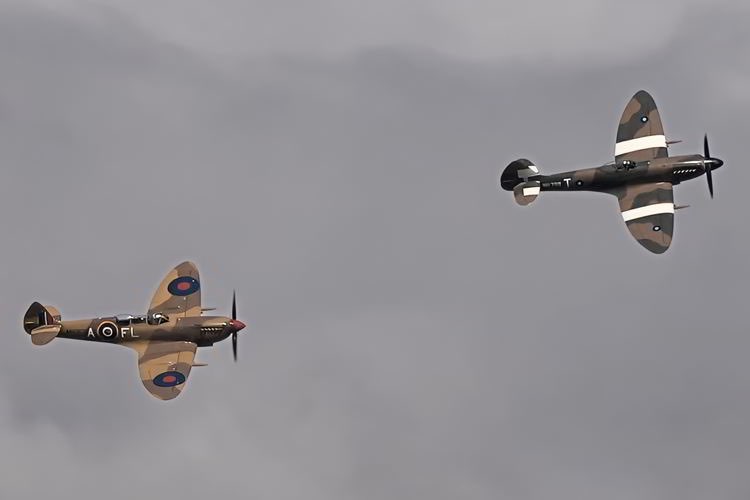
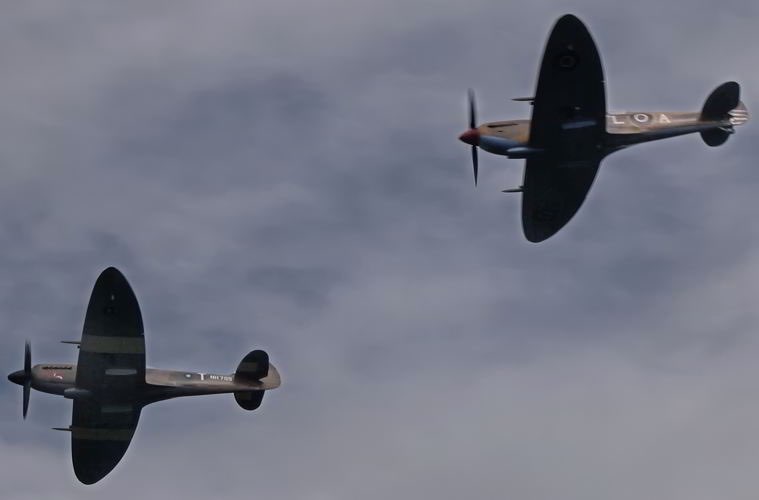
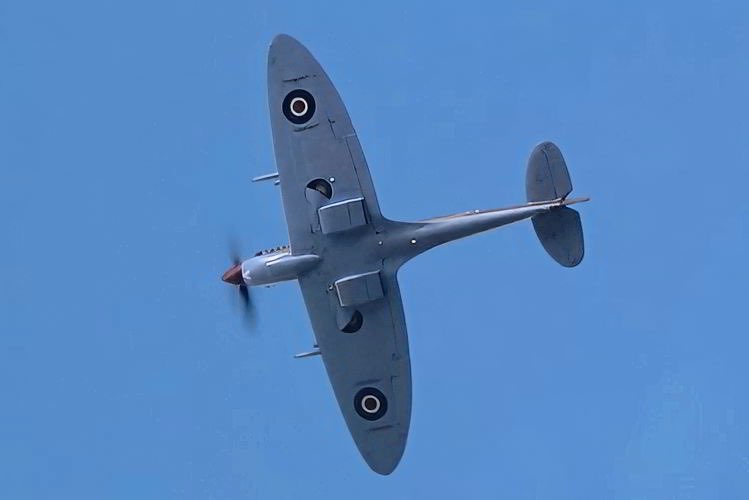
Spitfire MH367 showing off that iconic elliptical wing shape. Copyright © Historical Aviation Film Unit
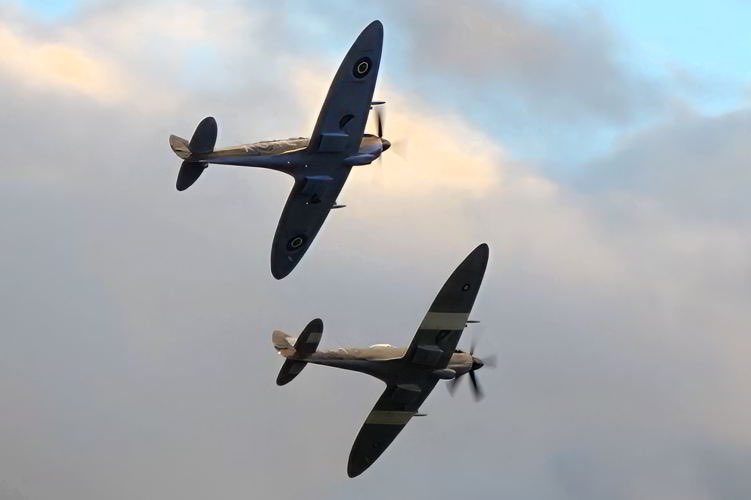
In the highlighted video, the two aircraft fly in tight, low-level formation. Copyright © Historical Aviation Film Unit
If you're an aviation enthusiast, a warbird fan, or simply fascinated by WWII fighters, this video offers an immersive tribute to two historic Spitfires and their powerplants.
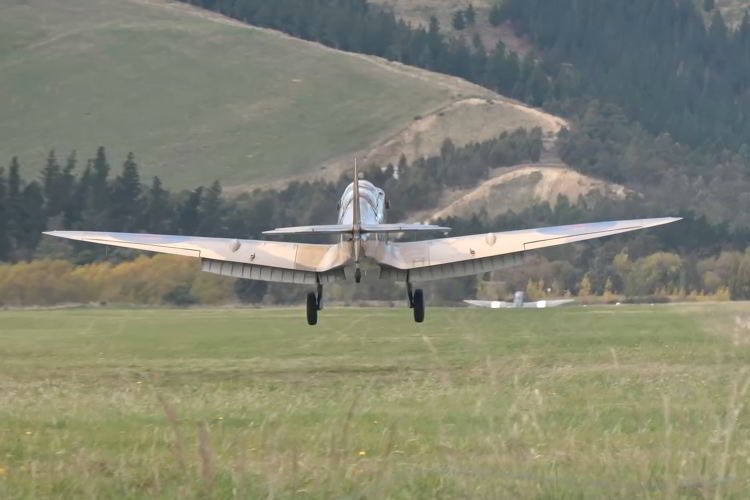
And we (almost) have touchdown.... Copyright © Historical Aviation Film Unit
Share This Story :
Other Stories and Videos:
Listen To The Sound Of Twin Merlins As A WW2 Mosquito Roars By...

Did The British Guards Really Beat The French Imperial Gaud At Waterloo?

This WW2 'Panic' Fighter Was Designed and Built In 16 Weeks

The 6-Pounder Anti-Tank Gun Could Be Used For Rapid Fire
If you sign up to be a Member on our Historical Aviation Film Unit channel then you'll have immediate access to this extra material. Click the button at right, then on our channel page click the 'Join' button - it'll help us immensely.
Please consider subscribing to HMTV, or buy us a drink to support our historical (story and film) preservation endeavours.
Copyright © All Rights Reserved — Historical Aviation Film Unit
Template by OS Templates