Master Class In Diorama Making By Former Art Teacher
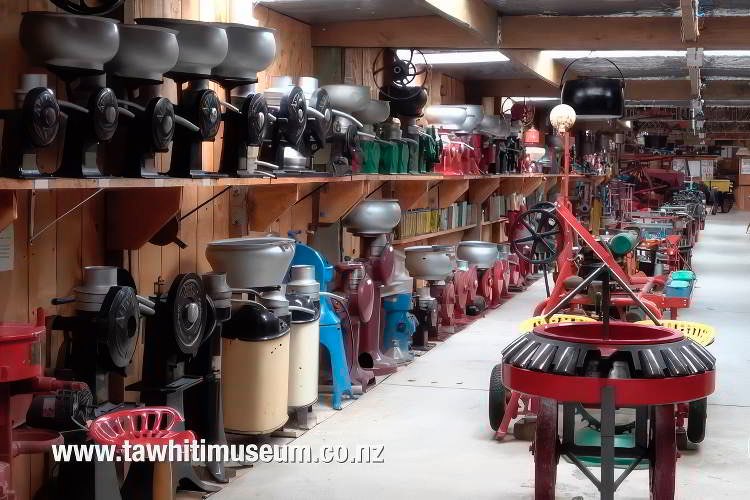
Walking through the doors of Tāwhiti Museum, you might at first think you’re entering a normal local museum of old machinery, vintage farm gear and historical artefacts. But it doesn't take long to realise this is something quite different — a hybrid of art, storytelling, and mechanical heritage. In our new video interview, Nigel Ogle, the founder and creative heart behind Tāwhiti, shares how his vision turned a former dairy factory into one of New Zealand’s most immersive and beloved private museums.
The Birth of a Museum from a Dairy Factory
Nigel and his wife Teresa purchased a disused diary factory in 1975, located just outside Hāwera in South Taranaki (New Zealand), and began transforming it piece by piece into a museum space. What began as a modest personal project grew steadily, merging Nigel’s background as an art teacher and modeler with a passion for the region’s history.
Over decades, he's turned the facility into more than just an exhibition space — it has become a working studio, model-shop, storytelling engine, and local history hub. The facility now spans about 5,500 m² with a huge range of dioramas, life-size models, farm machinery halls, and local story exhibits.
Art, Scale, and Storytelling
Though many museums rely solely on artefacts, Tāwhiti leans heavily on Nigel’s modelling and narrative flair to bring history alive.
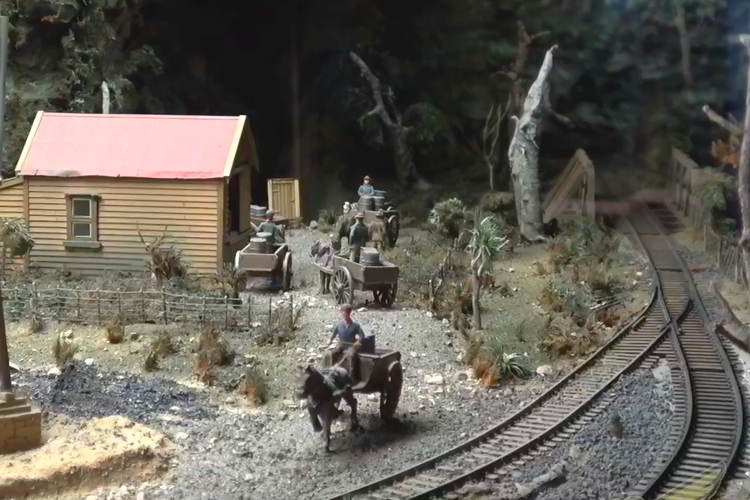
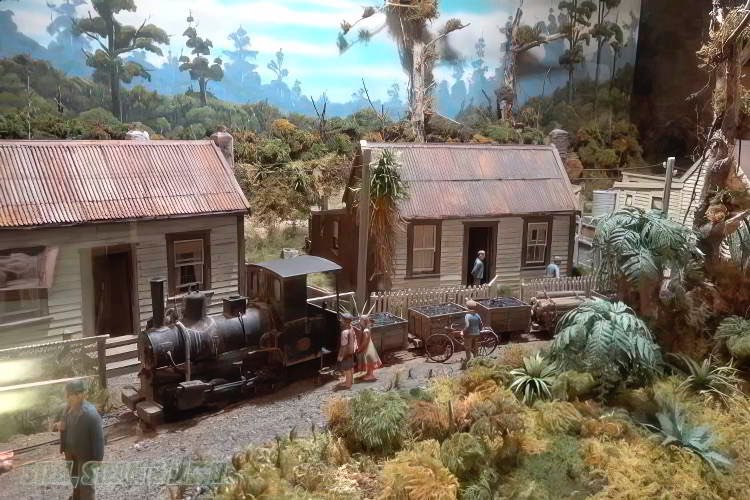
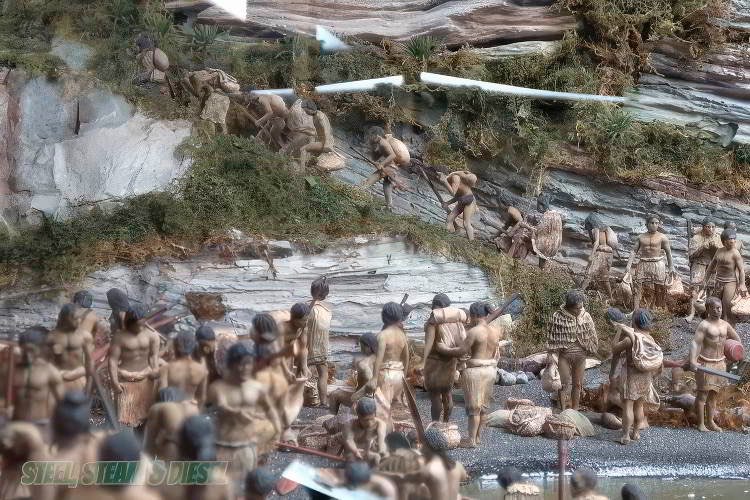
One of the striking features of the Museum is the way models and dioramas are used to tell layered stories. Nigel explains that while the machinery and artefacts do attract attention, it’s the models … the art that works which often catches visitors’ imaginations. Nigel often mixes scales (from 1:6 down to 1:75) and plays with forced perspective so that the front elements are larger and the background elements smaller — giving depth and realism to the scenes, even in a relatively restricted space.
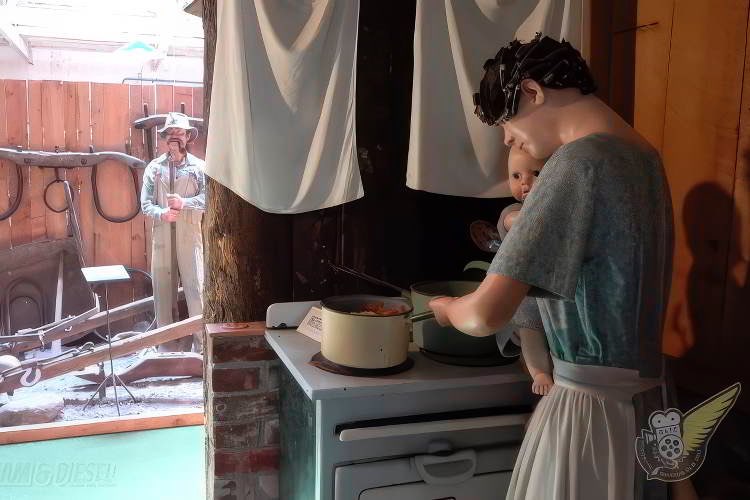
But often the models are not just static displays as Nigel generally aims to tell stories — little human narratives. He gives an example of children in the scenes: a boy threatening to put a sister’s teddy bear into a hay baler, or interactions between child and adult figures.
These small touches draw reactions from kids: Look, that boy’s doing it … what’s going on? Nigel tailors layers of meaning for different age groups: simple visual stories for younger children, and deeper context for older visitors and adults.
This blend of art and narrative is central. Nigel notes that museums today often mix pure history displays (this is what this object is) with infotainment (story-led, emotive exhibits). He believes there’s room for both approaches, asserting that visitors with varying interests should be able to get something out of it at some level.
Local History, National Context
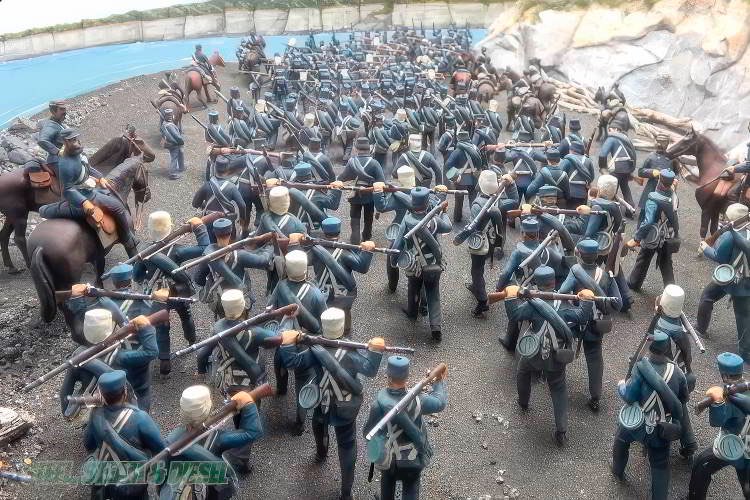
While the displays at Tāwhiti are richly detailed, the underlying stories are rooted in local South Taranaki history. Nigel doesn’t aim to tell broad national narratives — except as context where needed (for example, in Musket Wars and Land Wars sections). Most exhibits focus on regional stories, weaving in oral histories, donated artefacts, and community memories.
Yet some exhibits are uniquely broad. The museum features a tribute to Ronald Hugh Morrieson, a Hawera-based writer whose novels (such as Came a Hot Friday) have achieved national fame. The museum’s Morrieson display, housed in his original attic recreated on site, was estimated to take 11 months to build and cost NZD 60,000.
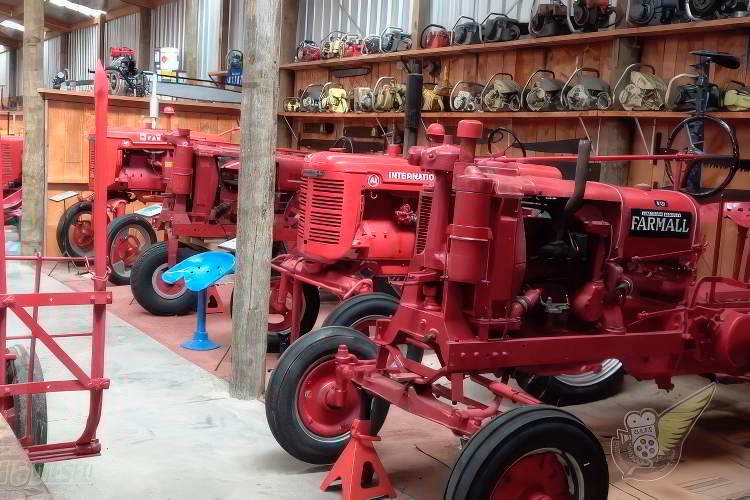
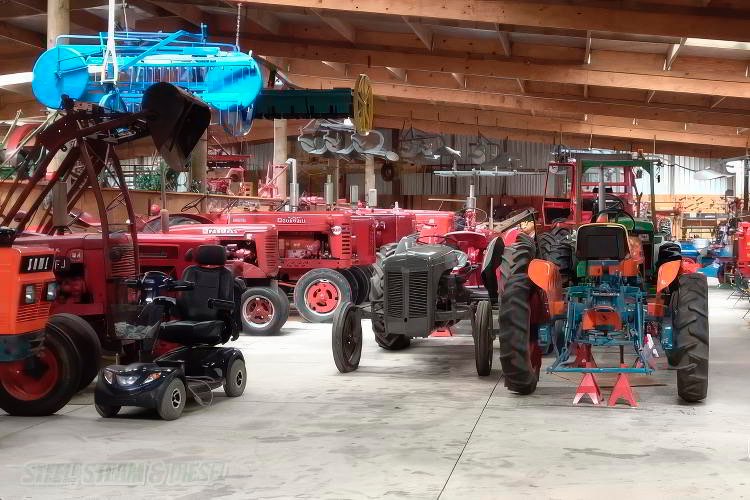
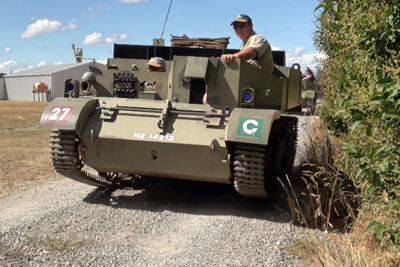
Also on site is Farm Power Hall, a vast collection of vintage tractors and machinery (which is included with the main ticket).
Other attractions include the Traders & Whalers exhibit (a narrative ride through 1820s coastal and Māori-European contact), the Tawhiti Bush Railway, and the Body Shop where models are made (viewable during a visit).
Growth, Challenges, and Sustainability
Over the years, the collection and displays have continued to grow—Nigel mentions additional sheds being built to house machinery. But growth brings costs: sheds, maintenance, utilities, and conservation all demand resources. Nigel candidly shares that visitor income (i.e. entrance fees and on-site shop/café sales) is the only regular revenue stream. He jokes that he can’t turn down donated machines even if funds are tight, especially when each item tells a compelling local story (for example, the unique hedge cutters from the Butler brothers).
Because operating a museum is a long game, Nigel is perpetually balancing vision with pragmatism. He studies what has worked in other museums — what visitors enjoy, what engages them — to sharpen Tāwhiti’s approach.
Tāwhiti Museum operates in three seasons:
* Winter (June, July, August): open only Sundays
* Most of the year: open Friday, Saturday, Sunday, Monday
* Peak summer (Dec 26 – end January): seven days a week
Check the website for specific opening hours and plan to visit next time you're in Taranaki. https://www.tawhitimuseum.co.nz
Why Tāwhiti Resonates with Audiences
In walking the museum today, it’s clear why Tāwhiti appeals to such a broad spectrum of visitors: families with children, hobbyists fascinated by machinery and models, local history buffs, and even casual tourists. The mix of scale modelling, life-size displays, immersive storytelling and mechanical heritage gives something for everyone — and Nigel’s obvious passion ties it all together.
Visitors often ask, "Do you build these?" or "Where do you source this model?"
That reaction is exactly what Nigel aims for — sparking curiosity, dialogue, and wonder. The museum doesn’t just display history; it encourages people to dig deeper, ask questions, and connect personally.
Nigel sees Tāwhiti not just as a collection, but as an evolving canvas: there are still stories to go on the wall, he says. With every new shed, every donated machine, every small model, the museum continues to tell more of the rich tapestry of South Taranaki's history.
If you’re ever passing through Hāwera, make time for Tāwhiti Museum — it’s more than just a stop on the route. It’s a living, breathing narrative, that's absolutely worth a couple of hours of your time.
Exclusive Members-Only Content On Our YouTube Channel
If you sign up to be a Member on our Historical Aviation Film Unit channel then you'll have immediate access to this extra material. Click the button at right, then on our channel page click the 'Join' button - it'll help us immensely.